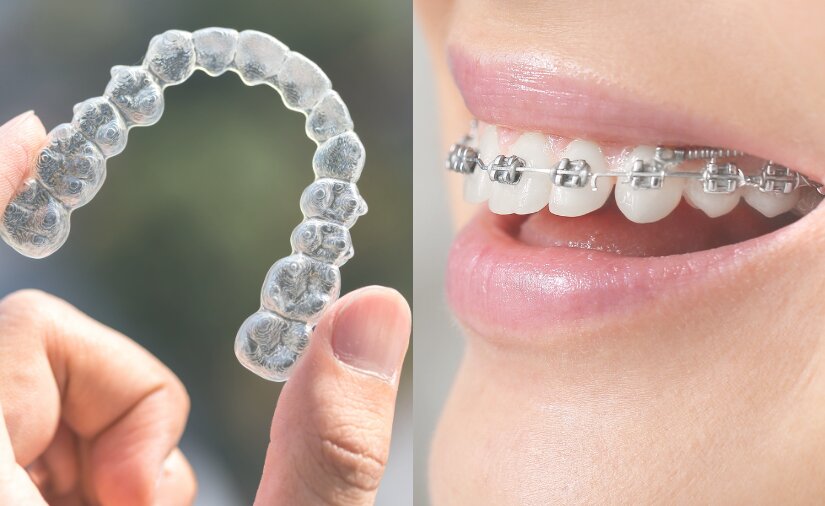
Orthodontic treatment has improved greatly over the years. Today, people have more options to correct crooked teeth and bite issues. Two of the most common solutions are clear aligners and traditional braces. Both treatments aim to move teeth into better positions and improve overall dental health.
Many people choose orthodontic treatment to enhance their smile and improve chewing ability. Straight teeth are also easier to clean, which can reduce the risk of cavities and gum problems. In many cases, orthodontist care plays an important role in deciding which option is most suitable for a patient’s needs and lifestyle.
Although both clear aligners and traditional braces are designed to straighten teeth, they differ in appearance, comfort, maintenance, and treatment process. Understanding these differences can help patients make informed decisions about their orthodontic journey.
Key Takeaways
a) Clear aligners and traditional braces are both effective orthodontic treatments.
b) Aligners are removable and nearly invisible, while braces are fixed to the teeth.
c) Traditional braces may be more suitable for complex alignment issues.
d) Clear aligners offer convenience and easier cleaning during treatment.
e) The choice of treatment depends on dental needs, lifestyle, and professional guidance.
What Are Clear Aligners?
Clear aligners are transparent trays designed to gradually move teeth into better alignment. These trays are made from smooth plastic material and are custom created for each patient. A series of aligners is used during treatment, with each set slightly adjusting the position of the teeth.
One of the biggest advantages of clear aligners is their appearance. Because the trays are transparent, they are less noticeable than traditional braces. Many adults and teenagers prefer this option because it allows them to straighten their teeth without drawing attention to the treatment.
Aligners are also removable. Patients can take them out while eating, drinking, brushing, or flossing. This flexibility makes daily oral hygiene easier compared to fixed appliances.
What Are Traditional Braces?
Traditional braces are one of the oldest and most effective orthodontic treatments. They consist of small brackets attached to the teeth and connected by thin wires. These wires apply gentle pressure to gradually move the teeth into proper alignment.
Braces remain fixed on the teeth throughout the treatment period. Regular adjustments are required to tighten the wires and guide tooth movement.
Although braces are more visible than clear aligners, they are highly reliable for correcting complex dental issues. Problems such as severe crowding, large gaps, or significant bite misalignment are often treated effectively with braces.
Appearance and Visibility
One of the most noticeable differences between the two options is their appearance. Clear aligners are designed to be discreet. Because they are transparent, they blend with the natural color of teeth.
Traditional braces are more visible because the brackets and wires sit on the front surface of the teeth. However, modern braces are smaller and more comfortable than older designs. Some braces also come with tooth-colored brackets that reduce their visibility.
Patients who are concerned about aesthetics often prefer clear aligners, especially adults working in professional environments.
Comfort and Daily Experience
Comfort is another important factor when comparing these treatments. Clear aligners are made from smooth plastic, which reduces irritation to the cheeks and gums. Most patients experience mild pressure when switching to a new aligner tray, but the discomfort usually fades within a few days.
Braces may cause temporary irritation, especially after adjustments. The metal brackets and wires can sometimes rub against the inner cheeks. Orthodontic wax is often used to reduce this discomfort.
Despite these differences, both treatments gradually become easier to manage as patients adjust to them.
Cleaning and Maintenance
Maintaining oral hygiene during orthodontic treatment is very important. Clear aligners offer an advantage because they can be removed while brushing and flossing. This allows patients to clean their teeth more thoroughly.
Braces require extra attention during cleaning. Food particles can easily become trapped around brackets and wires. Patients must use special brushing techniques and sometimes additional tools to clean these areas properly.
Regular dental visits and careful oral hygiene help prevent plaque buildup and gum problems during treatment.
Treatment Time and Suitability
Treatment length varies depending on the complexity of the dental problem. Some mild alignment issues can be corrected with clear aligners within a shorter period. However, more complicated cases may require braces to achieve the desired results.
Braces offer precise control over tooth movement. This makes them suitable for correcting severe crowding, rotated teeth, or major bite problems. Clear aligners work best for mild to moderate alignment issues.
The best option often depends on a detailed dental evaluation and the patient’s commitment to wearing aligners consistently.
Choosing the Right Option
Both clear aligners and traditional braces can deliver excellent results when used correctly. The decision between them depends on several factors, including dental condition, lifestyle preferences, and treatment goals.
Patients who prefer a nearly invisible solution and removable trays may feel more comfortable with clear aligners. On the other hand, those with complex orthodontic issues may benefit more from traditional braces.
A professional evaluation helps determine the most effective treatment plan for achieving a healthy and confident smile.
Conclusion
Orthodontic treatments have evolved to offer patients more choices than ever before. Clear aligners and traditional braces both aim to improve dental alignment and oral health.
While aligners provide convenience and a discreet appearance, braces remain a powerful option for addressing complex alignment concerns. Each method has its own advantages and limitations.
Understanding these differences allows patients to choose a treatment that fits their needs and lifestyle. With the right guidance and consistent care, both options can lead to a healthier smile and improved dental function.