If I could give parents one piece of advice about protecting their children's teeth beyond brushing and flossing, it would be this: ask your dentist about sealants. I have watched this simple, painless procedure prevent cavities in hundreds of young patients over the years, and it remains one of the most underused tools in pediatric dentistry. The concept is straightforward, the application takes minutes, and the results speak for themselves. Yet many parents have never heard of sealants or do not fully understand what they do. So let me walk you through everything you need to know.
What Are Dental Sealants
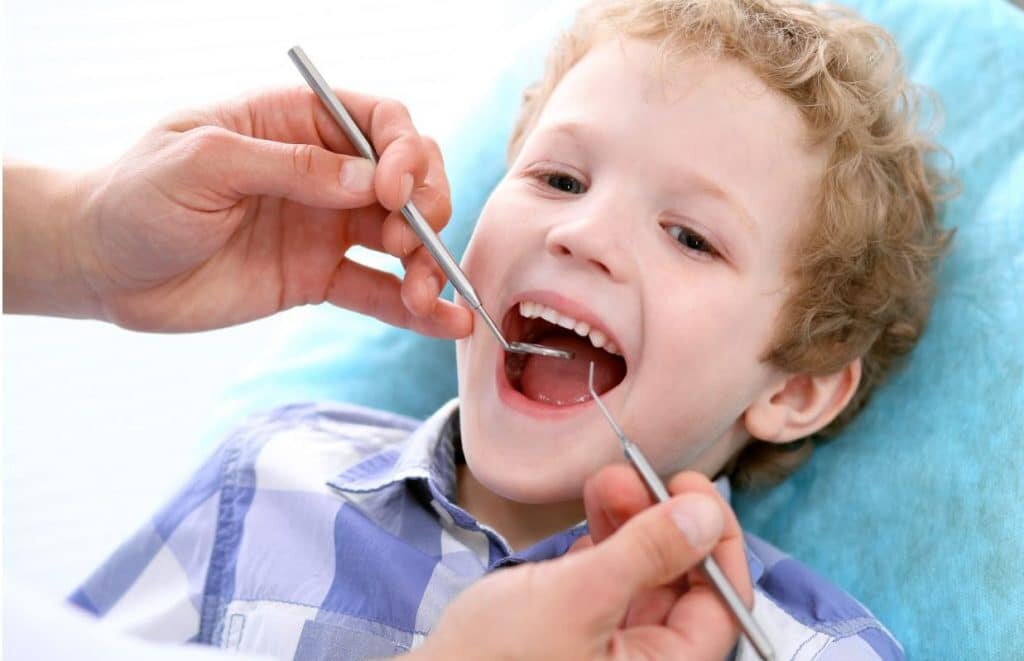
Dental sealants are thin, protective coatings made of a dental resin material that are applied to the chewing surfaces of the back teeth, primarily the molars and premolars. If you run your tongue across the top of one of your back teeth, you will feel grooves and pits. These are called fissures, and they are a natural part of the tooth's anatomy. The problem is that these grooves are often so narrow and deep that toothbrush bristles simply cannot reach the bottom. Food particles and bacteria get trapped in these tiny crevices, creating the perfect environment for cavities to develop.
A sealant fills in these grooves, creating a smooth surface that is much easier to keep clean. Think of it like sealing the cracks in a driveway to keep water from seeping in and causing damage. The sealant acts as a physical barrier between the tooth surface and the bacteria and acids that cause decay. It is not a substitute for brushing and flossing, but it provides a significant layer of additional protection in the areas that are most vulnerable.
At What Age Should a Child Get Dental Sealants
The ideal time to apply sealants is shortly after the permanent molars come in. The first set of permanent molars typically erupts around age six, and the second set arrives around age twelve. Applying sealants as soon as these teeth are fully erupted gives them protection during the cavity-prone childhood and teenage years. Some dentists also recommend sealing the premolars, which come in around ages ten to twelve, if the child has particularly deep grooves or is at higher risk for decay.
In my practice, I start the conversation about sealants when a child is around five or six years old, right before those first permanent molars are expected. I want parents to be prepared so we can seal the teeth promptly once they have fully emerged. The earlier we can get sealants on, the better, because once a cavity has started to form in those grooves, the opportunity for a sealant has passed and a filling becomes necessary.
How Sealants Are Applied
One of the best things about sealants is how quick and comfortable the process is. There are no needles, no drilling, and no discomfort. The tooth is first cleaned and dried. A mild acidic solution is applied to the chewing surface for a few seconds to create a slightly rough texture that helps the sealant bond to the tooth. The tooth is rinsed and dried again, and then the liquid sealant material is painted into the grooves. A special curing light is used to harden the sealant in about 20 seconds. That is it. The entire process takes just a few minutes per tooth, and the child can eat and drink normally right afterward.
Kids are usually surprised by how easy it is. I have had patients look at me after the procedure and ask, "That's it? We're done?" It is genuinely one of the most pleasant dental experiences a child can have, which also helps build positive associations with dental care in general.
How Effective Are Sealants
The effectiveness of dental sealants has been extensively studied. Research consistently shows that sealants reduce the risk of cavities on the chewing surfaces of molars by approximately 80 percent in the first two years after application, and they continue to provide significant protection for several years beyond that. The CDC has reported that children without sealants have almost three times more cavities in their first molars compared to children with sealants.
In my own practice, the difference is striking. Children who receive sealants on their permanent molars have dramatically fewer cavities on those surfaces than children who do not. Of course, sealants only protect the chewing surfaces. Cavities can still develop between teeth or along the gumline, which is why brushing, flossing, and fluoride remain essential parts of the prevention picture.
How Long Do Sealants Last
Sealants can last anywhere from five to ten years with proper care, though their longevity depends on factors like the child's diet, chewing habits, and how well the sealant bonded to the tooth initially. We check sealants at every dental visit and can easily reapply them if they have worn down or chipped. The reapplication process is just as quick and simple as the initial application.
I have seen sealants that are still fully intact on teeth belonging to patients well into their twenties. Others may need a touch-up after a few years. Either way, the cost and effort of maintaining sealants is minimal compared to the cost of treating the cavities they prevent.
Are Sealants Just for Kids
While sealants are most commonly applied to children and teenagers, adults can benefit from them too. If an adult has deep grooves on their molars that have never had cavities or fillings, applying sealants can provide the same protective benefit. I have placed sealants on adult patients who are particularly cavity-prone or who have medical conditions that increase their risk, such as dry mouth from medications.
That said, the greatest return on investment comes from sealing teeth early, before decay has had a chance to begin. Prevention is always simpler and less expensive than treatment.
Why Sealants Are Underused
Despite their proven effectiveness, sealants are applied to far fewer children than could benefit from them. According to CDC data, only about 40 percent of children ages six to eleven have sealants on their permanent teeth. The gap is even wider among children from lower-income families, who statistically face a higher risk of cavities.
Part of the issue is awareness. Many parents simply do not know sealants exist, or they assume that good brushing habits alone will be enough. While excellent oral hygiene is important, the anatomy of those molar grooves makes them vulnerable even in children who brush diligently. Sealants fill in the gaps that brushing alone cannot reach.
If your child's permanent molars have come in and they do not yet have sealants, ask your dentist about them at your next visit. It is one of the quickest, most comfortable, and most cost-effective things you can do to set your child up for a cavity-free future. I have seen the difference it makes over and over again, and I recommend it without hesitation.