Finishing braces or aligner treatment feels like the end of the journey. Your teeth are finally in place, and your smile looks the way you wanted. But what many people do not realize is that retention is just as important as the treatment itself. This is where retainers play a silent but powerful role.
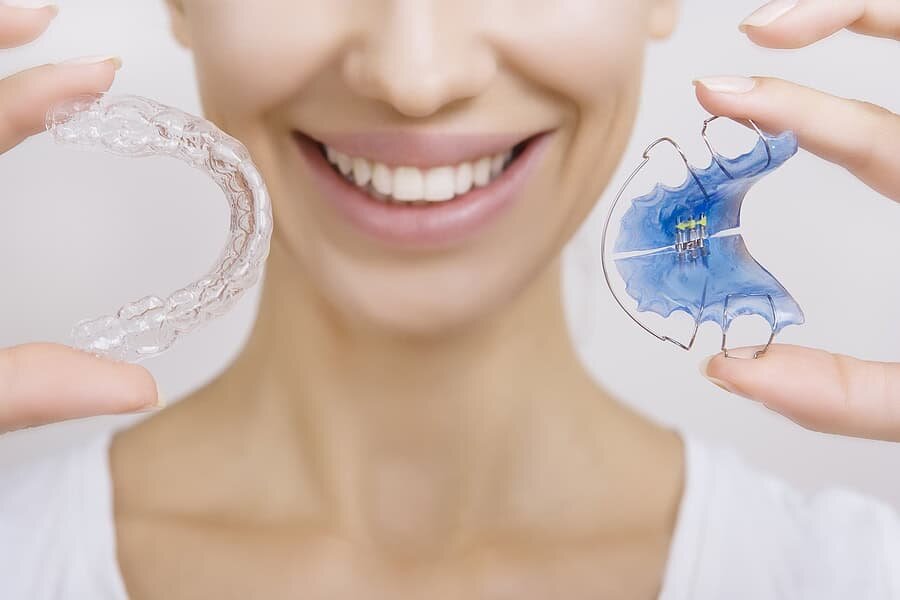
Over time, however, retainers do not last forever. They go through daily wear, small damages, and gradual changes that are easy to ignore. In many cases, people only think about replacing them when something feels off, but by then, the teeth may have already started shifting. This is why consistent orthodontist care becomes essential even after active treatment is complete.
Key Takeaways
• Retainers can lose effectiveness over time
• Small signs often indicate the need for replacement
• Ignoring worn retainers can lead to teeth shifting
• Regular check-ups help maintain long-term results
• Timely replacement protects your smile investment
Why Retainers Stop Working
Retainers are designed to hold teeth in their new position, but they are not immune to wear and tear. Daily use, temperature changes, and cleaning habits can affect their shape and strength.
Plastic retainers may warp or become loose. Wire retainers can bend slightly without you noticing. These small changes can reduce their ability to keep teeth aligned properly.
A Fit That Feels Different
One of the first signs of a failing retainer is a change in fit. If your retainer suddenly feels tight or uncomfortable, it could mean your teeth have shifted slightly. On the other hand, if it feels loose, it may no longer be holding your teeth in place.
A proper retainer should fit snugly without causing pain. Any noticeable change is worth paying attention to.
Visible Damage You Should Not Ignore
Cracks, bends, or worn-out areas are clear signs that your retainer needs attention. Even small cracks can affect how well it works.
In some cases, damage may not be visible at first glance. A slight bend in the wire or thinning plastic can still impact performance. Regular inspection helps catch these issues early.
Changes in Your Teeth Alignment
If you notice small gaps appearing or slight crowding returning, your retainer may not be doing its job anymore. Teeth naturally try to move back to their original position.
This is why even minor alignment changes should not be ignored. Acting early can prevent the need for further treatment.
Odor and Hygiene Concerns
Over time, retainers can develop a persistent odor or discoloration, even with regular cleaning. This is often a sign that bacteria have built up within the material.
While cleaning helps, it does not always restore the retainer to its original condition. In such cases, replacing it is a better option for both hygiene and effectiveness.
How Long Does a Retainer Last
The lifespan of a retainer depends on the type and how well it is maintained. Some may last a few years, while others may need replacement sooner.
Proper care, such as cleaning regularly and storing it safely, can extend its life. However, no retainer is meant to last forever.
The Role of Regular Check-ups
Routine dental visits help ensure that your retainer is still working as expected. Professionals can spot issues that you might miss.
They can also adjust or recommend a replacement before any major problems occur. This proactive approach helps maintain your results.
Why Timely Replacement Matters
Delaying a retainer replacement can lead to gradual teeth movement. Once teeth shift significantly, simple fixes may no longer work.
Replacing a retainer at the right time is a small step that prevents bigger issues later. It protects the time and effort you invested in your treatment.
Conclusion
A retainer may seem like a simple device, but it plays a crucial role in keeping your smile in place. When it stops working properly, the effects can build up quietly over time. Paying attention to small signs, maintaining regular check-ups, and replacing your retainer when needed can make all the difference. A little care now can help you enjoy long-lasting results without starting over.