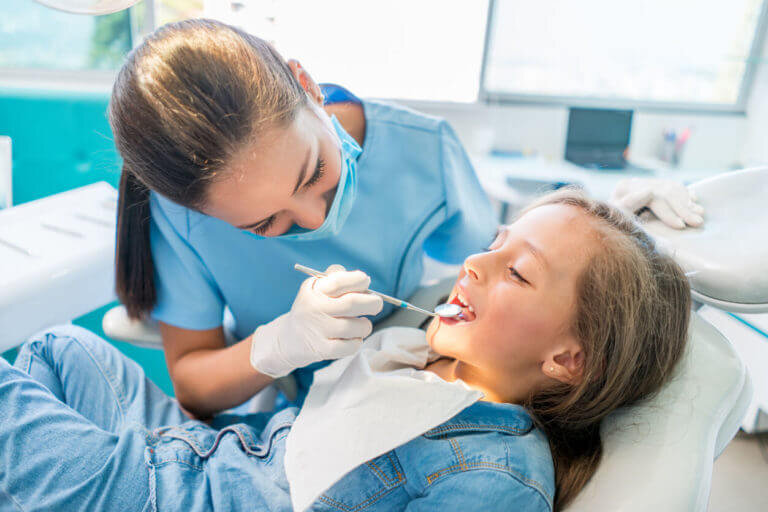
Orthodontic treatment is often associated with teenagers wearing braces, but many orthodontic problems begin developing years before adolescence. The position of erupting teeth, jaw growth patterns, oral habits, and airway concerns can influence how the bite develops long before all permanent teeth are present. Because of this, early orthodontic evaluation has become an important component of comprehensive dental care.
The American Association of Orthodontists recommends that children receive an orthodontic evaluation by age seven. At this stage, a child typically has a combination of primary and permanent teeth, allowing clinicians to assess growth patterns and identify developing concerns. An early evaluation does not necessarily mean treatment will begin immediately. In many cases, it provides an opportunity to monitor development and determine the ideal timing for intervention.
For families in Harleysville and surrounding communities, understanding the purpose of early orthodontic assessments can help prevent more complicated issues later in life.
Why Age Seven Is an Important Milestone
Many parents are surprised when they learn that orthodontic evaluations are recommended long before all permanent teeth have erupted.
By age seven, several important developmental changes have already occurred:
a) First permanent molars are typically present
b) Upper and lower incisors have begun erupting
c) Jaw growth patterns become easier to evaluate
d) Bite discrepancies become more apparent
e) Harmful oral habits may already be affecting development
This stage allows an orthodontist to evaluate both tooth positioning and skeletal relationships while significant growth potential remains.
Early detection provides valuable information about whether intervention may be beneficial during active development.
Identifying Developing Bite Problems
One of the primary goals of an early orthodontic evaluation is identifying malocclusions before they worsen.
Certain bite problems become increasingly difficult to correct if they are allowed to progress unchecked.
Crossbites
A crossbite occurs when upper teeth fit inside lower teeth rather than outside them.
Crossbites may affect:
a) Individual teeth
b) Groups of teeth
c) Entire segments of the jaw
When left untreated, crossbites can contribute to:
a) Uneven tooth wear
b) Gum recession
c) Facial asymmetry
d) Abnormal jaw function
Early intervention often allows correction while skeletal structures remain highly adaptable.
Excessive Overjet
Excessive overjet refers to the forward positioning of upper front teeth relative to lower front teeth.
Children with significant overjet may face:
a) Increased risk of dental trauma
b) Functional difficulties
c) Esthetic concerns
d) Speech challenges
Reducing excessive overjet during growth can improve both function and long-term stability.
Open Bite
An open bite occurs when upper and lower front teeth fail to contact properly when biting.
This condition is frequently associated with:
a) Thumb sucking
b) Prolonged pacifier use
c) Tongue thrust habits
d) Airway concerns
Addressing contributing factors early can improve treatment outcomes and reduce future complexity.
Monitoring Jaw Growth and Development
Orthodontics involves much more than aligning teeth.
Facial growth patterns and jaw relationships play a major role in overall function and appearance.
Early evaluation allows clinicians to assess:
a) Upper jaw development
b) Lower jaw development
c) Skeletal discrepancies
d) Facial symmetry
e) Growth direction
Some skeletal concerns respond most effectively during active growth periods.
When growth modification is indicated, timing can significantly influence treatment success.
The Impact of Crowding
Crowding is one of the most common orthodontic concerns.
As permanent teeth erupt, insufficient space may lead to:
a) Rotated teeth
b) Impacted teeth
c) Overlapping teeth
d) Hygiene challenges
e) Increased cavity risk
An early assessment can determine whether developing crowding is likely to worsen.
In some situations, clinicians may recommend monitoring. In others, interceptive treatment may help create additional space and improve eruption patterns.
The Role of Interceptive Orthodontics
Interceptive orthodontics refers to treatment performed during childhood to address developing problems before they become more severe.
The goal is not necessarily to eliminate the need for future orthodontic treatment. Instead, it aims to improve conditions that may otherwise become significantly more complex.
Examples of interceptive treatment include:
a) Palatal expansion
b) Habit correction appliances
c) Space maintainers
d) Partial braces
e) Growth modification appliances
These approaches can often simplify future treatment and improve long-term outcomes.
Airway Considerations and Orthodontics
Growing awareness of airway health has expanded the role of orthodontic evaluation.
Certain developmental patterns may be associated with airway concerns, including:
a) Chronic mouth breathing
b) Narrow dental arches
c) Poor tongue posture
d) Sleep-disordered breathing
While orthodontic treatment is not a cure for airway disorders, identifying structural contributors may support a collaborative approach involving medical and dental professionals.
Early recognition allows families to pursue appropriate evaluation when necessary.
The Connection Between Orthodontics and Oral Health
Properly aligned teeth are generally easier to clean and maintain.
When teeth are crowded or severely misaligned, patients may experience:
a) Plaque accumulation
b) Increased cavity risk
c) Gingival inflammation
d) Difficulty flossing
e) Uneven tooth wear
Improving alignment can support better oral hygiene and long-term periodontal health.
Orthodontic treatment should not be viewed solely as a cosmetic service. Functional improvements often contribute significantly to overall oral health.
The Psychological Benefits of Early Intervention
Children become increasingly aware of their appearance as they grow older.
Certain orthodontic concerns may contribute to:
a) Reduced confidence
b) Social discomfort
c) Reluctance to smile
d) Negative self-perception
When clinically appropriate, addressing significant issues during childhood may improve confidence during important developmental years.
While esthetics should not be the sole reason for treatment, psychological benefits often accompany functional improvements.
Understanding Observation Versus Treatment
A common misconception is that every early orthodontic evaluation leads directly to braces.
In reality, many children simply enter a period of observation.
Monitoring allows clinicians to:
a) Track eruption patterns
b) Assess growth changes
c) Evaluate habit correction progress
d) Determine optimal treatment timing
Observation can be just as valuable as active treatment because it ensures intervention occurs when it is most effective.
Starting treatment too early may be unnecessary, while waiting too long may reduce available options.
Collaboration Between Dental Professionals
Successful orthodontic care often involves collaboration among multiple healthcare providers.
General dentists, pediatric dentists, oral surgeons, and orthodontists each contribute unique perspectives to a patient's care.
Regular dental examinations frequently identify concerns that warrant orthodontic evaluation.
Likewise, orthodontic assessments may reveal issues requiring coordination with other specialists.
This collaborative approach supports comprehensive care and improved treatment outcomes.
Long-Term Benefits of Early Evaluation
Not every child requires early orthodontic treatment, but every child benefits from an informed assessment of their developing bite.
Early evaluations provide opportunities to:
a) Detect developing problems
b) Monitor growth patterns
c) Reduce treatment complexity
d) Improve functional outcomes
e) Preserve oral health
f) Optimize treatment timing
Many orthodontic concerns become easier to manage when identified during childhood rather than after growth is complete.
For families considering an evaluation with an orthodontist, understanding growth, development, and treatment timing is essential. Early orthodontic assessments provide valuable insight into how the teeth and jaws are developing, allowing clinicians to guide treatment decisions that support healthy function, improved stability, and long-term oral health.