Orthodontics has undergone significant changes over the past two decades. While the fundamental principles of tooth movement remain rooted in biology and biomechanics, advances in technology have transformed the way orthodontic treatment is planned, delivered, and monitored. Modern tools allow clinicians to improve diagnostic accuracy, increase treatment efficiency, and enhance the overall patient experience.
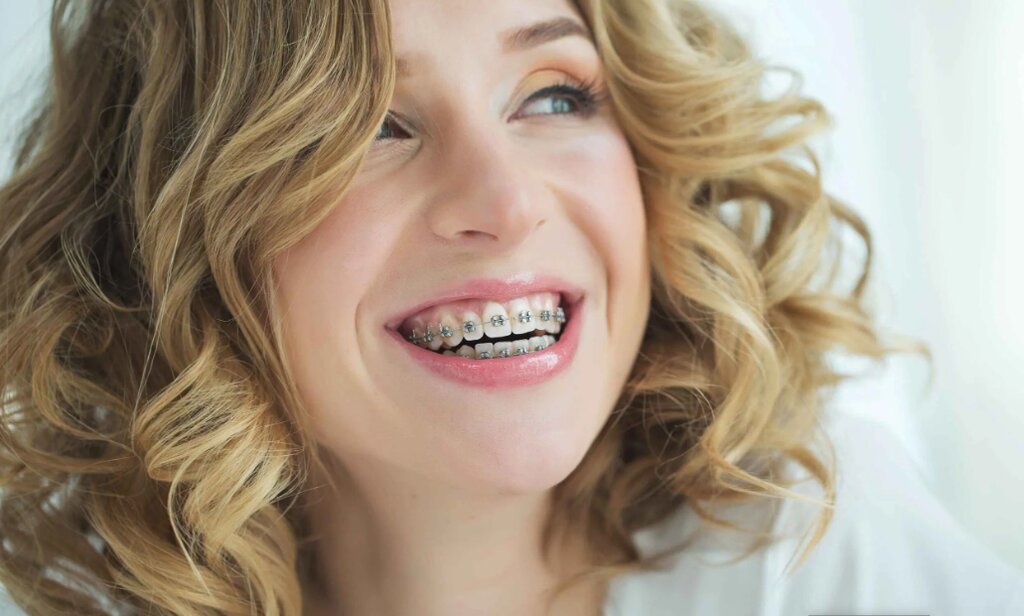
Patients today benefit from technologies that were unavailable to previous generations. Digital imaging, three-dimensional treatment planning, clear aligner systems, and remote monitoring capabilities have expanded the options available for correcting malocclusions while maintaining a focus on long-term oral health and stability.
Across New England and throughout the United States, these innovations are helping providers deliver more personalized and predictable orthodontic care.
The Evolution of Orthodontic Diagnosis
Accurate diagnosis remains the foundation of successful treatment. Advances in imaging technology have dramatically improved a clinician's ability to evaluate teeth, jaws, facial structures, and airway relationships.
Traditional orthodontic records often relied on physical impressions, two-dimensional radiographs, and manual measurements. While these methods were effective, modern digital tools provide significantly more detailed information.
Today's orthodontist may utilize:
a) Digital panoramic radiographs
b) Cephalometric imaging
c) Intraoral scanning
d) Cone beam computed tomography (CBCT)
e) Three-dimensional treatment simulations
These technologies allow for a more comprehensive understanding of each patient's anatomy and treatment needs.
Digital Impressions and Intraoral Scanning
One of the most noticeable improvements for patients has been the replacement of traditional impression materials with digital scanning systems.
Conventional impressions often involved trays filled with impression material that could be uncomfortable for some patients. Digital scanners capture detailed images of the teeth and surrounding structures without the need for impression trays.
Benefits of intraoral scanning include:
a) Improved patient comfort
b) Enhanced accuracy
c) Faster record collection
d) Reduced distortion
e) Immediate digital storage
f) Better communication with laboratories
Digital models also make it easier to track treatment progress over time.
Three-Dimensional Treatment Planning
Orthodontic treatment planning has become increasingly sophisticated through the use of three-dimensional modeling software.
Digital treatment planning allows clinicians to:
a) Visualize tooth movement
b) Simulate treatment outcomes
c) Evaluate space requirements
d) Assess occlusal relationships
e) Improve appliance design
By creating virtual treatment setups, providers can better predict outcomes and make adjustments before treatment begins.
This level of precision supports greater efficiency and helps reduce unexpected challenges during treatment.
The Growth of Clear Aligner Therapy
Clear aligners have become one of the most significant developments in modern orthodontics.
Rather than relying solely on fixed appliances, many patients now have access to removable aligner systems that gradually move teeth through a series of custom-designed trays.
Advancements in aligner technology have expanded the range of conditions that can be treated effectively.
Modern aligner systems may address:
a) Crowding
b) Spacing
c) Rotations
d) Deep bites
e) Crossbites
f) Mild to moderate skeletal discrepancies
Treatment planning software allows clinicians to design precise movement sequences that improve predictability and control.
Improvements in Traditional Braces
Although clear aligners receive significant attention, fixed appliances continue to play an important role in orthodontic treatment.
Modern braces differ substantially from systems used decades ago.
Advancements include:
Smaller Brackets
Contemporary brackets are often smaller and more comfortable than earlier designs.
Reduced profile sizes improve comfort while maintaining biomechanical effectiveness.
Improved Materials
Advances in metallurgy have produced wires that deliver more consistent and biologically favorable forces.
These improvements may contribute to:
a) Greater treatment efficiency
b) Enhanced comfort
c) Improved tooth movement control
Enhanced Bonding Techniques
Modern bonding materials have improved attachment strength while helping preserve enamel integrity during treatment.
These developments support both treatment effectiveness and long-term dental health.
Cone Beam Computed Tomography in Orthodontics
Cone beam computed tomography has become an important diagnostic tool in selected cases.
Unlike traditional two-dimensional radiographs, CBCT imaging provides detailed three-dimensional views of dental and skeletal structures.
Applications include:
a) Impacted tooth evaluation
b) Airway assessment
c) Root position analysis
d) Skeletal discrepancy evaluation
e) Surgical treatment planning
The additional information provided by CBCT can improve decision-making in complex cases.
Appropriate use allows clinicians to better understand anatomical relationships that may not be visible through conventional imaging alone.
Temporary Anchorage Devices
Temporary anchorage devices, commonly known as TADs, have expanded treatment possibilities for many patients.
These small titanium devices provide stable anchorage points that support precise tooth movement.
TADs may be used to:
a) Intrude over-erupted teeth
b) Correct asymmetries
c) Close extraction spaces
d) Improve vertical control
e) Reduce reliance on patient compliance
Their introduction has allowed clinicians to achieve movements that were previously difficult or less predictable.
Remote Monitoring and Digital Communication
Technology has also changed the way orthodontists communicate with patients throughout treatment.
Remote monitoring platforms allow providers to evaluate progress using digital images submitted by patients between appointments.
Potential benefits include:
a) Earlier detection of issues
b) Reduced unnecessary office visits
c) Improved treatment oversight
d) Enhanced patient engagement
While remote monitoring does not replace in-person evaluations, it can supplement traditional care and improve efficiency.
Airway Awareness and Interdisciplinary Care
Growing awareness of airway health has influenced orthodontic diagnosis and treatment planning.
Research continues to explore the relationship between craniofacial development, breathing patterns, and oral function.
Modern orthodontic evaluations may include assessment of:
a) Mouth breathing
b) Arch development
c) Tongue posture
d) Airway dimensions
e) Sleep-related concerns
Collaboration among orthodontists, pediatric dentists, physicians, and sleep specialists has become increasingly common when addressing complex developmental concerns.
Artificial Intelligence and Orthodontics
Artificial intelligence is beginning to influence various aspects of orthodontic care.
AI-supported tools may assist with:
a) Treatment simulations
b) Progress tracking
c) Diagnostic support
d) Workflow efficiency
While these technologies continue to evolve, clinical judgment remains the cornerstone of treatment planning and decision-making.
Technology serves as a tool that enhances expertise rather than replacing it.
Customized Treatment Approaches
Perhaps the most important advancement in modern orthodontics is the ability to provide highly individualized care.
Every patient presents unique characteristics involving:
a) Facial structure
b) Dental anatomy
c) Growth patterns
d) Functional needs
e) Treatment goals
Digital technology enables clinicians to develop customized treatment strategies that reflect these differences.
Personalization improves both efficiency and outcome predictability.
The Future of Orthodontic Care
Orthodontic innovation continues to accelerate. As imaging systems, digital workflows, and biomechanical technologies advance, patients can expect even greater levels of precision and convenience.
Future developments may further improve:
a) Treatment planning accuracy
b) Monitoring capabilities
c) Appliance customization
d) Patient communication
e) Overall treatment efficiency
Despite technological progress, the goals of orthodontics remain unchanged: improving function, supporting oral health, and creating stable, healthy bites.
For patients considering treatment with an orthodontist, modern technology offers more options than ever before. From digital diagnostics and advanced treatment planning to clear aligners and customized appliances, today's orthodontic innovations are helping clinicians deliver care that is increasingly precise, efficient, and tailored to the individual needs of each patient.