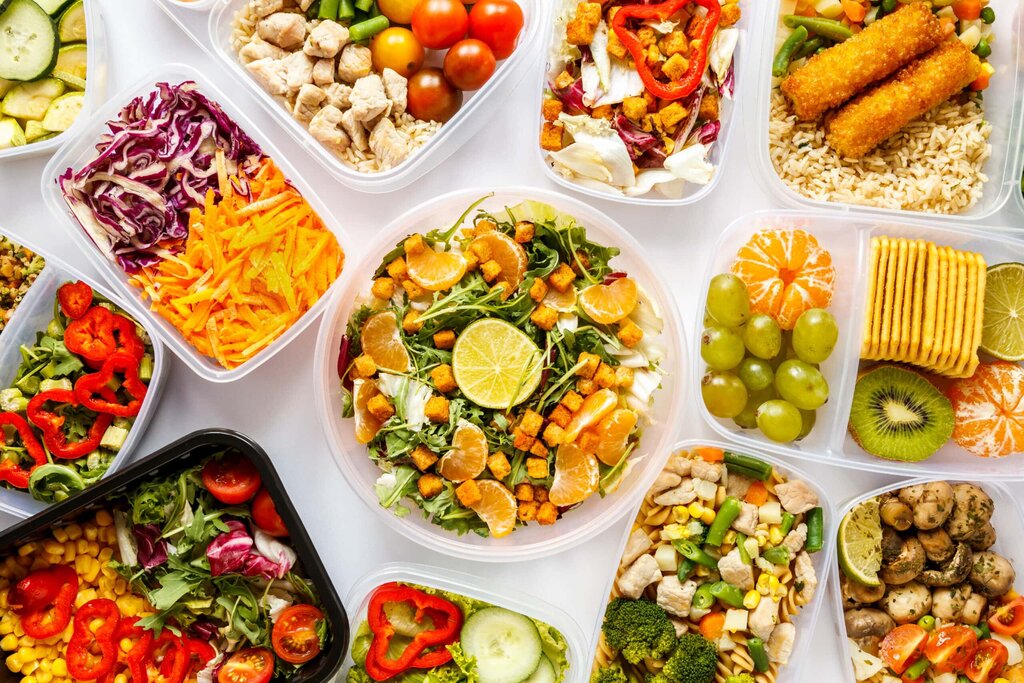
I have seen the lists that circulate online. The ones that make it sound like getting braces means eating nothing but soup and applesauce for two years. That is not reality. Yes, there are foods you need to avoid. But the list of what you can enjoy is far longer than the list of restrictions, and with a few smart adjustments, you can eat most of the things you love.
I want to give you honest, practical guidance about food and braces. Not fear-based rules designed to scare you into compliance, but real information about why certain foods cause problems and how to make good choices without feeling deprived.
Why Certain Foods Cause Problems
Before we get into specifics, it helps to understand the mechanics. Braces work because brackets are bonded to your teeth and connected by a wire that applies gentle, constant pressure. Anything that puts sudden force on a bracket can pop it off. Anything that gets wedged around the wire or between brackets can be difficult to clean and may contribute to decay. And anything extremely sticky can pull components loose or bend wires.
The goal is not to eliminate enjoyment from eating. The goal is to protect the appliances so they can do their job efficiently. Every broken bracket means a repair appointment and potentially extends your treatment time. That is the real cost of eating something you should not.
Foods to Genuinely Avoid
So what foods can you not eat with braces? The true no-go list is shorter than you might expect, and it centres on three categories: hard, sticky, and requires-biting-into.
Hard foods are the biggest bracket breakers I see in my practice. This includes things like hard candies, jawbreakers, ice cubes (chewing them, not letting them melt), whole raw carrots, unpropped popcorn kernels, hard pretzels, and nuts eaten by the handful. The issue is the sudden cracking force these foods generate against brackets.
Sticky foods are the second major category. Caramels, taffy, gummy bears, fruit snacks, and chewing gum can grab onto brackets and wires and pull them out of position. I have seen a single piece of caramel dislodge three brackets at once. These foods are simply not worth the risk during treatment.
Biting-into foods are the sneaky category. Corn on the cob, whole apples, and biting directly into a hard roll or bagel put enormous leverage on your front brackets. The good news is that most of these foods can still be eaten with a simple modification, which I will get to shortly.
The Pizza Question
Can you eat pizza with braces? Absolutely. This is one of the most common questions I get, and the answer is a relieved yes. Regular pizza, whether thin crust or hand-tossed, is perfectly fine. The cheese is soft, the sauce is not an issue, and the crust of a typical slice is manageable. Just avoid extremely hard or extra-crunchy crusts, and do not bite into a breadstick like it is a corn dog. Cut it into pieces if the crust is particularly tough, and you are good to go.
I mention pizza specifically because I have had teenagers nearly in tears thinking they could not eat it for two years. That is the kind of misinformation that makes patients dread braces unnecessarily.
Foods You Can Enjoy Freely
Here is where the list gets long and encouraging. Soft breads, pasta of all kinds, rice, cooked vegetables, most fruits (cut into pieces), dairy products, eggs, soft-cooked meats, fish, sandwiches (with soft bread), pancakes, waffles, muffins, soft cookies, cake, ice cream, pudding, and smoothies are all completely fine.
Cooked grains like oatmeal and quinoa, soups and stews, macaroni and cheese, burritos and tacos with soft shells, sushi, steamed dumplings, and most cooked proteins work perfectly. Bananas, berries, grapes, melon, and other soft fruits require no modification at all.
Chocolate is fine as long as it does not contain hard nuts or caramel filling. A plain chocolate bar, a brownie, or chocolate chip cookies are all safe choices. I always enjoy telling patients this, because the relief on their faces is immediate.
Smart Modifications That Keep Foods on Your Menu
Many foods that seem like they should be off-limits just need a small adjustment. Apples? Slice them into thin wedges instead of biting in whole. Carrots? Cook them until tender, or cut them into thin sticks you can chew with your back teeth. Corn on the cob? Cut the kernels off the cob with a knife. Meat on the bone? Cut it off the bone first.
Crusty bread and bagels become safe when you tear them into small pieces rather than taking a big bite. Raw vegetables can be cut small enough to chew comfortably without stressing your brackets. Nuts can be chopped finely and added to yogurt or oatmeal rather than eaten whole by the handful.
These modifications take seconds and keep your favorite foods in rotation throughout treatment. I encourage patients to think of it as eating differently rather than eating less.
What About Crunchy Snacks
Chips are a gray area that deserves honest discussion. Thin, light chips like regular potato chips or pita chips are generally fine if you eat them carefully, letting them soften slightly in your mouth before chewing. Thick, hard tortilla chips or kettle-cooked chips require more caution. They will not necessarily break a bracket every time, but they create more risk than thinner options.
Popcorn is more problematic than most people realize, and it is not just about the unpropped kernels. The hulls, those thin fibrous shells, have a remarkable ability to wedge themselves between brackets and gums in ways that are difficult to remove and can cause irritation or infection. If you do eat popcorn, be prepared for a thorough cleaning session afterward, and be vigilant about those hulls.
Staying Practical About It
I tell my patients something that surprises them: I do not expect perfection. If you accidentally bite into something hard and nothing breaks, you are fine. The guidelines exist to reduce risk over the course of treatment, not to create anxiety around every meal. One soft pretzel at a baseball game is not going to ruin your orthodontic work. A habit of chewing ice every day might.
The patients who do best are the ones who internalize the principles rather than memorizing a list. Protect your brackets from sudden hard forces. Keep sticky substances away from the hardware. Cut things into manageable pieces when in doubt. If you follow those three guidelines, you will navigate food choices easily for the duration of your treatment.
And when those braces come off, that first caramel apple or piece of taffy is going to taste absolutely incredible. Something to look forward to.