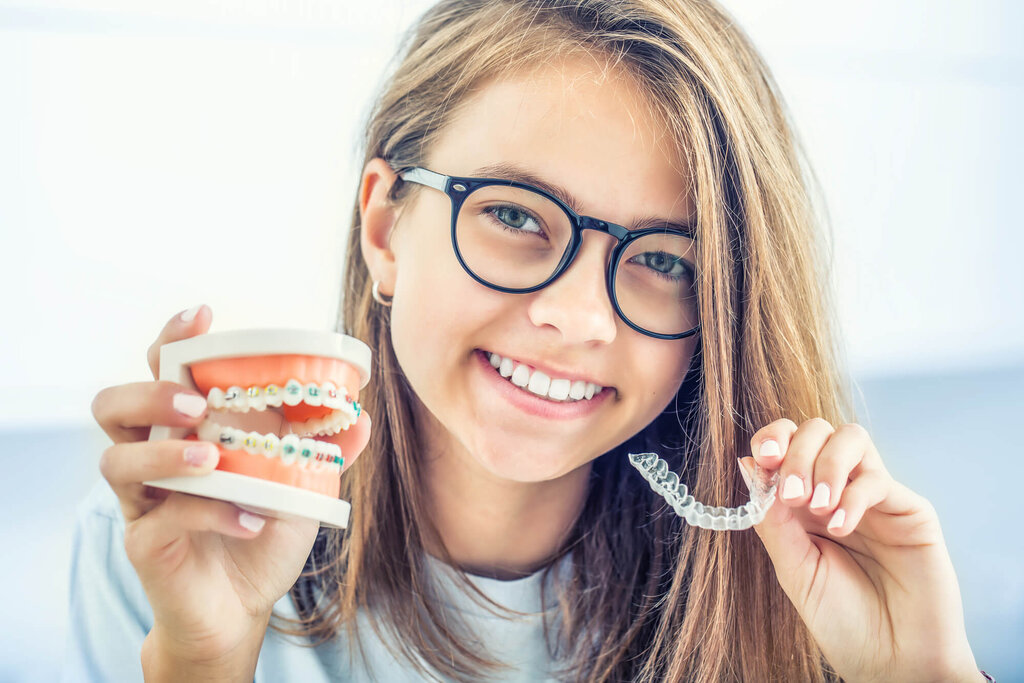
Many people delay orthodontic treatment because they fear braces might damage their teeth permanently. Stories about weak enamel, loose teeth, or painful dental problems often circulate online and create confusion. Since braces slowly move teeth into new positions, it is easy to assume the process may weaken the teeth over time. However, most of these concerns are based on myths rather than facts.
Braces are designed to improve alignment, bite balance, and oral function through controlled tooth movement. The process is carefully monitored to protect both the teeth and surrounding bone structures. Although braces are often misunderstood, the reality is that an orthodontist carefully controls every stage of tooth movement to protect bite function, jaw balance, and overall oral health. Understanding the difference between temporary treatment effects and actual dental damage can help patients feel more confident about braces and make informed decisions about their oral health.
Key Takeaways
a) Braces do not permanently weaken healthy teeth.
b) Temporary sensitivity during treatment is normal.
c) Poor oral hygiene causes most treatment-related problems.
d) Healthy gums are important for stable tooth support.
e) Retainers help maintain results after braces are removed.
Why Teeth Move during Braces Treatment
Braces work by applying gentle pressure over time. This pressure encourages the bone around the teeth to remodel gradually, allowing teeth to shift into better positions.
Because the teeth are actively moving, some patients notice mild looseness or sensitivity during treatment. This feeling is temporary and usually expected. Teeth need slight mobility in order to reposition properly.
Many people mistake this temporary movement as weakness, but the two are not the same. Once treatment ends and the supporting tissues stabilize, healthy teeth should remain strong and functional.
Orthodontic treatment focuses on controlled movement, not damaging force.
Braces Themselves Do Not Harm Enamel
A common misconception is that braces directly weaken enamel. In reality, brackets and wires do not damage healthy enamel when proper oral care is maintained.
Problems usually develop when plaque and food particles remain trapped around braces for long periods. Cleaning becomes slightly more difficult during treatment, which means patients must pay closer attention to brushing and flossing habits.
Without proper care, plaque build-up may lead to:
a) White spots
b) Cavities
c) Gum irritation
d) Bad breath
These issues are linked to poor oral hygiene, not the braces themselves.
Patients who maintain good cleaning habits often complete orthodontic treatment with healthy enamel and gums.
Why Some Teeth Feel Sensitive
Sensitivity is another reason people believe braces weaken teeth. After adjustments, the teeth may feel tender for a few days because pressure is actively shifting them.
This discomfort is temporary and usually improves as the mouth adapts. The pressure affects the ligaments and bone surrounding the teeth, which can create soreness during chewing.
Soft foods, hydration, and following orthodontic instructions often help reduce discomfort during adjustment periods.
Temporary sensitivity does not mean the teeth are becoming fragile or unhealthy.
Gum Health Plays a Major Role
Teeth rely on healthy gums and bone support to stay stable. If gum inflammation develops during braces treatment, patients may experience swelling, bleeding, or discomfort.
Poor gum health can sometimes contribute to tooth mobility, which may create the impression that braces are weakening the teeth.
This is why orthodontic care always includes regular monitoring of the gums and surrounding tissues. Strong oral hygiene habits help reduce the risk of complications during treatment.
Healthy gums support healthy teeth before, during, and after braces.
Understanding Root Resorption
Some patients hear about root resorption and become concerned about long-term damage. Root resorption occurs when the root of a tooth shortens slightly during movement.
Although this sounds serious, mild root changes are often small and carefully monitored throughout treatment. Severe cases are relatively uncommon.
Several factors may increase the likelihood of root resorption, including:
a) Genetics
b) Previous dental injuries
c) Certain medical conditions
d) Aggressive tooth movement
Orthodontists use controlled pressure and regular evaluations to reduce unnecessary stress on tooth roots.
Most patients complete treatment without major root-related complications.
What Happens after Braces Are Removed?
After braces come off, some patients notice their teeth feel different for a short period. This happens because the surrounding bone and tissues are still adapting to the new tooth positions.
Retainers are important because they help maintain alignment while the teeth stabilize fully. Without retainers, teeth may gradually shift back toward their previous positions.
This movement is called relapse and is not a sign of weak teeth. It simply reflects the natural tendency of teeth to move over time.
Consistent retainer use helps protect the results achieved during orthodontic treatment.
Diet and Daily Habits Matter
Food choices and habits can affect oral health during braces treatment. Hard, sticky, or sugary foods may increase the risk of plaque build-up or appliance damage.
Patients are usually encouraged to:
a) Limit sugary snacks
b) Avoid chewing hard objects
c) Drink enough water
d) Eat balanced meals
e) Brush carefully after eating
Healthy daily habits support stronger teeth and gums throughout the treatment process.
Final Thoughts
Braces do not permanently weaken healthy teeth when treatment is properly planned and monitored. Most concerns about damage are connected to temporary sensitivity, poor oral hygiene, or misunderstandings about how tooth movement works.
Orthodontic treatment is designed to improve both appearance and oral function safely. With good cleaning habits, regular check-ups, and proper retainer use, patients can maintain healthy teeth and enjoy long-lasting results after treatment is complete.